The Sound of EPOMAKER: The Art of Keyboard Acoustics
A mechanical keyboard is more than a typing tool. It is an experience shaped by feel, sound, and design. Every keystroke is influenced by the interaction between switches, keycaps, materials, and internal structures.
A deep “thock,” smooth “creamy” tone, or crisp response does not happen by chance. It comes from how every component works together. At EPOMAKER, we believe a great keyboard should not only perform well, but also sound right.
Why Does Keyboard Sound Matter?
Mechanical keyboards provide both tactile and acoustic feedback, making every keystroke more expressive and satisfying. For enthusiasts, sound is also a matter of personal preference. Some prefer a deep and powerful thock, while others enjoy a smooth and warm creamy tone.
There is no single “perfect” keyboard sound. The right sound is the one that matches your preference and typing style.
What Creates a Keyboard’s Sound?
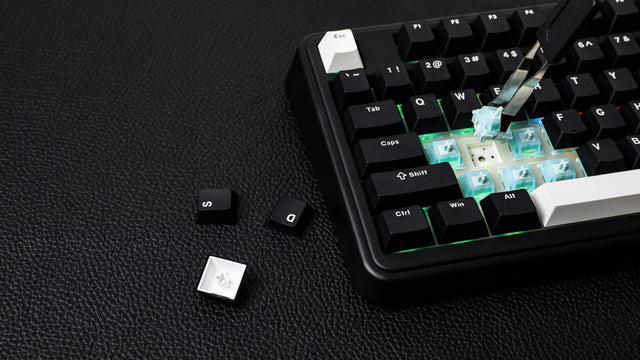
A keyboard’s sound comes from the interaction of its entire construction. Switches establish the foundation, while keycaps, mounting systems, case materials, and internal acoustic layers shape the final sound.

Switches influence the initial sound and feel. Keycaps affect resonance and tone. The mounting system controls how vibration travels, while acoustic materials help reduce unwanted resonance and refine the final sound.
The Role of Gasket Mount and Acoustic Design
The mounting system plays an important role in both typing feel and sound. Gasket-mounted keyboards use flexible materials between the plate and case to absorb impact and control vibration.
This creates a softer typing experience and helps produce a more balanced acoustic profile. Combined with carefully selected internal materials, gasket mounting allows EPOMAKER keyboards to achieve a cleaner and more controlled sound.
Understanding Keyboard Sound Profiles
Keyboard enthusiasts often use terms such as “creamy” and “thocky” to describe different acoustic characters.

A creamy sound profile is smooth, warm, and consistent. It is often associated with well-tuned switches, flexible structures, and controlled acoustics.
A thocky sound profile is deeper, richer, and fuller, creating the satisfying low-pitched character many mechanical keyboard enthusiasts enjoy.
How EPOMAKER Designs Keyboard Sound
Great keyboard sound does not come from a single component. It comes from the balance between switches, keycaps, mounting systems, plates, cases, and acoustic materials.
At EPOMAKER, sound is designed from the inside out. Our acoustic structures are tuned to control resonance, reduce unwanted vibration, and create a cleaner and more consistent typing experience.
Sound Design in EPOMAKER Keyboards
EPOMAKER TH65 — Balanced & Refined
The EPOMAKER TH65 combines a compact 65% layout with gasket mounting and multi-layer sound optimization.

Its tuned structure delivers a balanced and controlled acoustic profile, creating a smooth and refined typing experience.
EPOMAKER x AULA F65 — Deep & Thocky
The EPOMAKER x AULA F65 is designed around a deeper acoustic character, combining a gasket structure with layered sound-dampening materials.

The result is a deeper, richer, and fuller typing sound with the satisfying thocky character many enthusiasts love.
EPOMAKER TH108 V2 PRO — Deep & Immersive
The EPOMAKER TH108 V2 PRO brings sound-focused design to a full-size keyboard.

Its gasket-mounted structure and multi-layer acoustic system create a deeper and more immersive typing sound while maintaining a comfortable and refined feel.
Find Your Perfect Sound
Your ideal keyboard sound depends on your typing style, personal preference, and environment.
Prefer a deep and powerful tone? Try a thocky profile. Want something smoother and warmer? A creamy sound may be your match. If you enjoy sharper acoustic feedback, a brighter and crisper profile may be the better choice.
There is no right or wrong sound. Your keyboard should sound the way you want it to.
Every Keyboard Has a Voice
A mechanical keyboard is more than switches and keycaps. It is the result of engineering, acoustic tuning, and personal expression.
At EPOMAKER, we continue to explore how materials, structure, and technology shape every keystroke—creating keyboards designed not only to perform, but to be heard.
Because every keyboard has a voice — and every keystroke tells a story.